How Sailboat and Powerboat Claims Differ
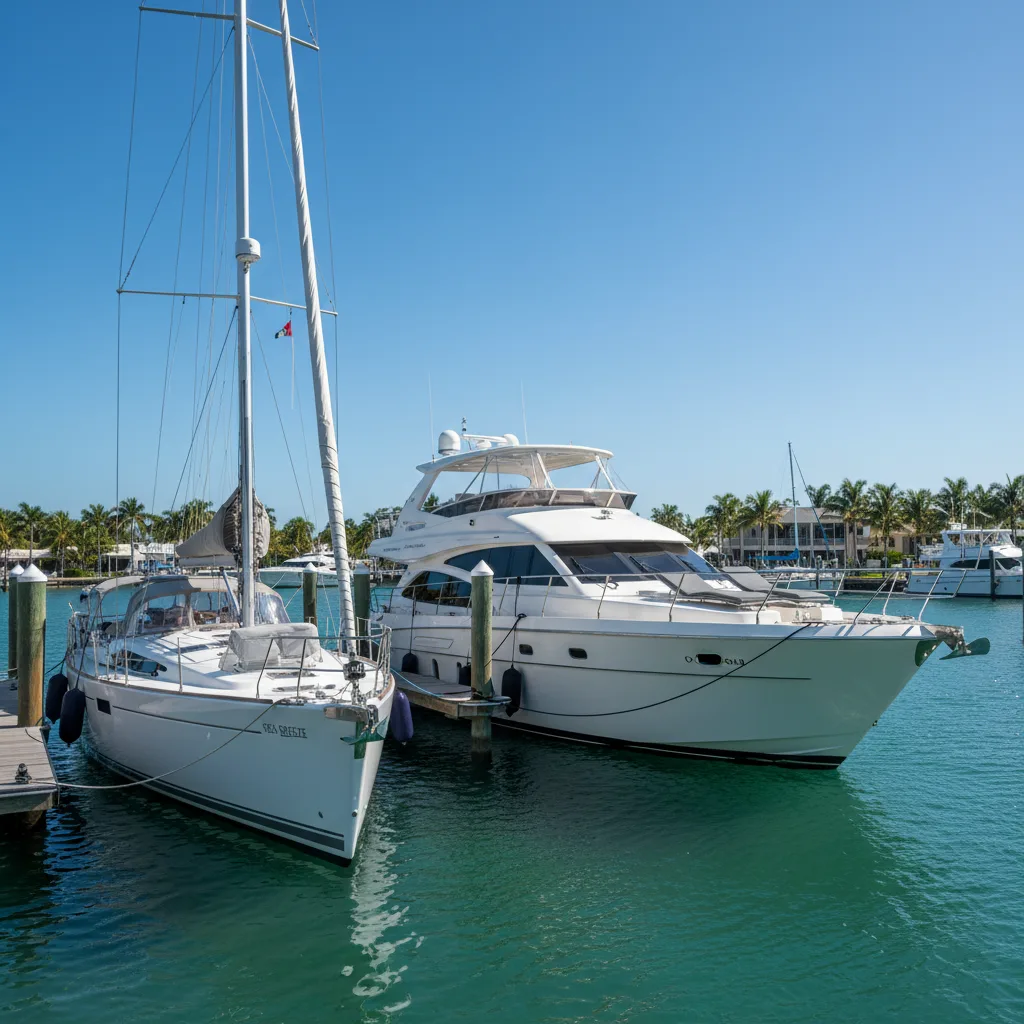
Sailboat and powerboat insurance claims are handled under the same general marine insurance framework, but the similarities end there. The types of damage, the repair costs, the coverage structures, and the claim strategies differ significantly between the two vessel types.
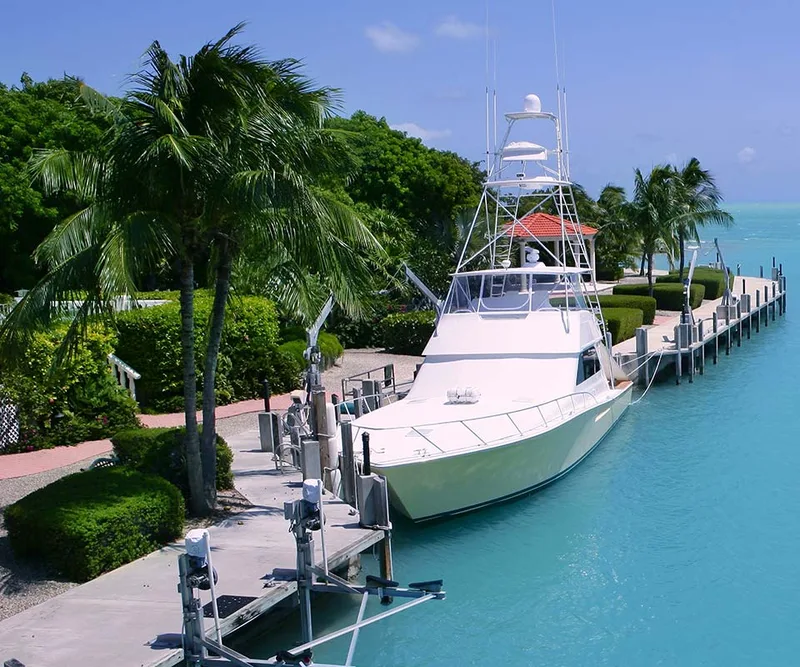
Powerboat claims tend to involve engine and drive system failures, collision damage, and storm damage to the hull and superstructure. Sailboat claims add layers of complexity with rigging, mast, sails, and keel systems that powerboats do not have. Each component carries its own repair cost, depreciation schedule, and coverage considerations.
Understanding these differences matters because the approach to a claim should match the type of vessel involved. A one-size-fits-all strategy can leave a claim undervalued. Whether you dock in Vero Beach, Port Salerno, or anywhere along the Florida coast, vessel-specific marine expertise is what separates a fair settlement from an inadequate one - and that is exactly what Public Yacht Adjusters brings to every claim we represent.
Sailboat vs. Powerboat Claims: Side-by-Side Comparison
The table below breaks down the major differences between sailboat and powerboat insurance claims across the factors that matter most during the claims process.
| Factor | Sailboat Claims | Powerboat Claims |
|---|---|---|
| Most common damage | Rigging failure, mast damage, sail tears, keel damage, grounding | Engine/drive failure, hull impact, prop damage, storm damage |
| Average repair cost | Higher per-incident due to specialized rigging and sail work | Wide range; engine work can be very expensive on twin setups |
| Depreciation disputes | Frequent on sails, standing rigging, running rigging | Frequent on engines, outdrives, electronics |
| Total loss threshold | Lower hull values relative to rig cost can trigger total loss | Engine replacement cost can push older boats to total loss |
| Specialized surveyors needed | Rig surveyors, sail makers, keel/rudder specialists | Engine/mechanical surveyors, hull specialists |
| Typical claim timeline | Longer due to rigging parts lead times | Moderate; engine parts availability varies |
| Hurricane vulnerability | Very high (mast acts as wind lever) | High (windage on flybridge and tower models) |
Both vessel types benefit from professional representation during the marine insurance claims process. The specific expertise needed varies, which is why working with a marine-specialized public adjuster matters more than working with a generalist.
Common Sailboat Claim Issues
Sailboat claims carry unique challenges that do not exist in the powerboat world. The rigging system alone introduces a level of complexity that most insurance adjusters are not equipped to evaluate properly.
Rigging damage and depreciation. Standing rigging (stays and shrouds) and running rigging (halyards and sheets) have finite lifespans. Insurers aggressively depreciate rigging based on age, even when the rigging was in excellent condition before the loss. A 10-year-old set of shrouds might be functioning perfectly, but the insurer will apply heavy depreciation and offer a fraction of replacement cost. Challenging this depreciation requires documentation of the rigging's condition before the loss.
Mast damage. A mast failure or dismasting is one of the most expensive events a sailboat owner can face. Replacement masts for production boats can take months to fabricate. Custom masts for larger yachts can run to substantial cost. Insurers frequently underestimate mast replacement costs and the associated labor for re-rigging.
Keel and rudder damage. Groundings in areas like the Florida Keys often damage keels and rudders. These repairs require specialized yards with the equipment to handle the work. Insurers may push for repairs that are structurally inadequate because they are cheaper.
Sail replacement disputes. Sails are high-depreciation items. A torn mainsail that is three years old may be fully functional, but the insurer will apply age-based depreciation that does not reflect the sail's actual condition or remaining useful life.
Common Powerboat Claim Issues
Powerboat claims center on different damage patterns and coverage disputes. Engine systems, hull construction, and electronics packages drive most of the dollar value in powerboat claims.
Engine and drive failures. Engines are the most expensive component on most powerboats. Twin outboard setups on center consoles, inboard diesel systems on sportfishers, and sterndrive configurations each have different failure modes and repair costs. Insurers often dispute whether a failure was sudden and accidental (covered) or the result of wear and mechanical breakdown (usually excluded without a separate mechanical breakdown endorsement).
Hull and gel coat damage. Collision and storm damage to powerboat hulls is common. Fiberglass repair is a specialized trade, and quality varies widely between shops. Insurers may direct you to the cheapest repair facility rather than one with proper credentials. Boat owners in Hobe Sound and the Treasure Coast have access to quality marine repair yards, and repair estimates from these facilities are the benchmark.
Electronics packages. Modern powerboats carry expensive electronics including radar, chart plotters, sonar, autopilots, and communication systems. These items depreciate quickly in the insurer's eyes, but a two-year-old radar system that was working perfectly before a lightning strike should not be valued at half its replacement cost.
Tower and outrigger damage. Sportfishing boats with towers and outriggers face wind damage during storms. These structures are expensive to repair or replace, and the labor involved in removal, fabrication, and reinstallation adds up fast.
Valuation Differences Between Sailboats and Powerboats
How your vessel is valued directly affects how much you receive on a claim. Sailboats and powerboats are valued differently, and understanding these differences protects you during settlement negotiations.
Sailboat valuations. Sailboats tend to hold their value better than powerboats of similar age, particularly well-maintained cruising designs from respected builders. A 15-year-old Hallberg-Rassy or Island Packet in good condition retains a strong market value. However, insurers may use generic valuation guides that do not reflect the premium commanded by quality sailboat brands. If you have an agreed-value policy, the insured amount should reflect current market conditions.
Powerboat valuations. Powerboats, especially those with high-hour engines, depreciate more steeply. A 10-year-old center console with 2,000 hours on its outboards is worth significantly less than an identical hull with 500 hours. Engine hours play a larger role in powerboat valuation than any single factor in sailboat valuation.
Agreed value vs. actual cash value. Every marine policy uses one of these valuation methods, and they handle depreciation, market value, and total loss settlements differently. Rather than guessing at how your policy will respond, have a professional representative review it with you - Public Yacht Adjusters provides a free review of any available policy documentation and can explain the implications for your specific vessel.
A free damage assessment from our team includes a review of your policy's valuation basis and how it applies to your specific claim.
What Makes Sailboat Claims Different
Sailboat claims involve systems that simply do not exist on powerboats - and insurers' evaluation teams are not always equipped to handle them. The complexity sits in the rigging, the mast, the sails, and the keel.
Rigging and sail components have specialized lifespans, depreciation schedules, and replacement logistics that a generalist adjuster rarely understands. Standing rigging that appears to be aging may in fact be in sound condition; sails that are a few seasons old may be fully functional. Challenging insurer valuations on these items requires marine-specific knowledge of what each component is actually worth at the time of loss.
Masts and spars are among the most expensive individual components on any vessel. Replacement lead times, custom fabrication, and the re-rigging labor that follows a dismasting all drive cost. Generic insurer estimates routinely understate both.
Keels and rudders damaged during grounding events require specialized yards and techniques. Insurer-directed repairs that skip structural integrity steps often fall short of what a sailboat actually needs to return to pre-loss condition.
Public Yacht Adjusters provides a free review of any documentation you have, and our marine background means we can bring greater insight to sailboat-specific issues than someone without professional marine experience. Contact us at (305) 351-9194 before responding to any sailboat claim offer.
When to Call a Marine Public Adjuster
Whether you own a sailboat or a powerboat, reaching out to a professional representative like Public Yacht Adjusters early is the most effective thing you can do. There is no claim too small or too complex for us to review - swift action is the best course of action.
For sailboat owners, rigging, mast, and keel damage sit at the top of the list where marine-specialized knowledge makes a real difference. These components are specialized, the repair market is narrow, and insurers consistently misjudge them. We challenge inadequate estimates with the authority that comes from marine expertise.
For powerboat owners, engine claims, total loss disputes, and hurricane damage claims are common triggers. Engine work on twin setups can reach substantial cost, and insurers aggressively push back on these claims.
Public Yacht Adjusters handles both sailboat and powerboat claims across Florida. Scott Gregory Virgin holds Certified & Accredited Marine Surveyor credentials and Certified Marine Investigator credentials with 25 years of experience across every vessel type. We know the differences in how these claims are evaluated, negotiated, and settled - and we provide a free review of any available documentation of the loss. Our marine background means we can bring greater insight than an individual without professional marine experience can.
Contact our team or call (305) 351-9194 to schedule a free damage assessment. There is no cost and no obligation.